Why Payment Security Belongs at the Heart of Cybersecurity Awareness
David Wright
@ Symptai
Tap into our latest insights
@ Symptai
Security issues addressed at testing or after deployment has 15X more vulnerabilities and risk to an organization.
@ Symptai
Caribbean microfinance and remittance providers need more than core banking upgrades. Digital operating models are now critical for scale, trust, and compliance.
The consequences of inadequate cyber resilience extend far beyond operational disruption. In November 2025, International Game Technology, a multi-billion-dollar global gambling technology leader, was claimed by the Qilin ransomware group (Cybernews, 2025).
When organisations can demonstrate strong data protection aligned to their local Data Protection Act (DPA), it can reduce customer acquisition costs by 15–25%, lowering marketing friction and reducing the effort required to earn customer trust.
The regulatory landscape in the Caribbean is also in a state of dynamic evolution. While specific AI legislation is still emerging, regulators are becoming increasingly proactive.
@ Symptai
Digital transformation is another trend shaping exposure. Public-cloud revenue is projected to reach US$1.38 billion in 2025, growing at a rate of 22.48%, potentially reaching a market volume of US$3.82 billion by 2030.
For Caribbean leaders, embracing AI is not merely a technological upgrade; it is a strategic imperative for economic survival and societal advancement. The potential returns are immense.
@ Symptai
Institutions that treat cyber as a pillar of AML can move faster, build trust with regulators, reassure correspondents, and attract younger, more digital-first customers. This is not just about compliance. It's about confidence.
AML teams need to be alerted the moment a suspicious device or session pattern emerges. The entire lifecycle of a financial crime event, from device compromise to transaction flow, must be understood as a single system.
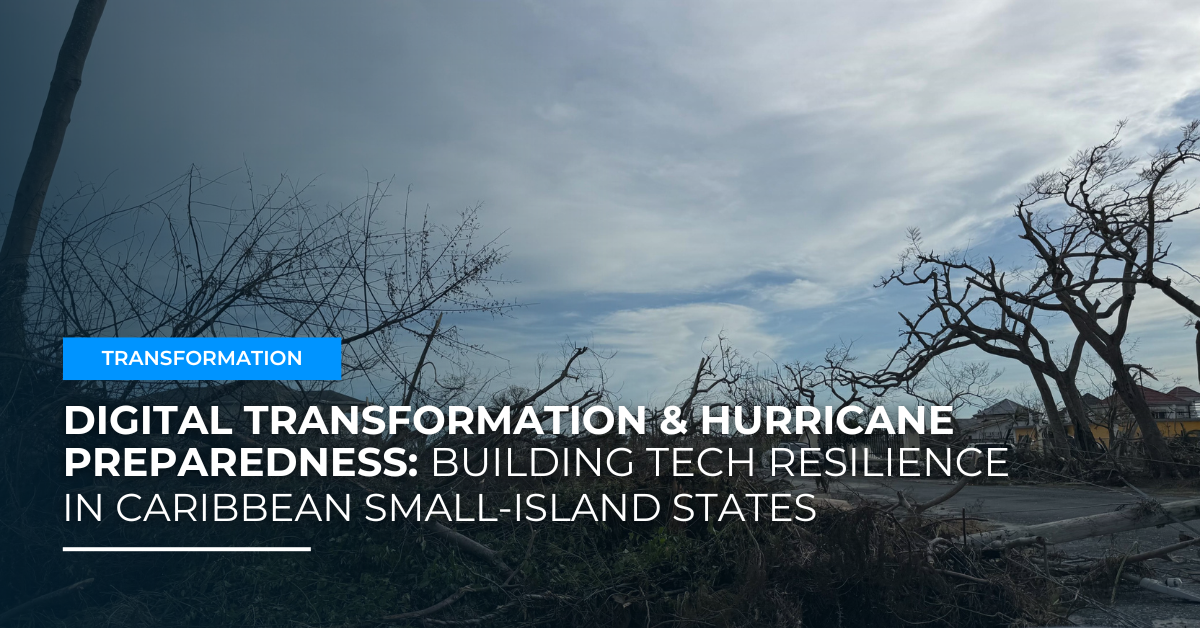
For small-island states with concentrated infrastructure and limited fiscal buffers, these trends create an environment where one severe storm can reshape an entire decade of development.
Cybersecurity assessments and penetration tests conducted by Symptai over the past two years have identified 1,882 critical to medium security findings across organisations in these featured sectors.
When sensitive data ends up on the dark web, the damage extends far beyond technical disruption. It undermines confidence in institutions, exposes individuals to fraud, and erodes the credibility that our economies depend on.
Security issues addressed at testing or after deployment has 15X more vulnerabilities and risk to an organization.
@ Symptai
The consequences of inadequate cyber resilience extend far beyond operational disruption. In November 2025, International Game Technology, a multi-billion-dollar global gambling technology leader, was claimed by the Qilin ransomware group (Cybernews, 2025).
Cybersecurity assessments and penetration tests conducted by Symptai over the past two years have identified 1,882 critical to medium security findings across organisations in these featured sectors.
Caribbean microfinance and remittance providers need more than core banking upgrades. Digital operating models are now critical for scale, trust, and compliance.
The regulatory landscape in the Caribbean is also in a state of dynamic evolution. While specific AI legislation is still emerging, regulators are becoming increasingly proactive.
@ Symptai
Digital transformation is another trend shaping exposure. Public-cloud revenue is projected to reach US$1.38 billion in 2025, growing at a rate of 22.48%, potentially reaching a market volume of US$3.82 billion by 2030.
When organisations can demonstrate strong data protection aligned to their local Data Protection Act (DPA), it can reduce customer acquisition costs by 15–25%, lowering marketing friction and reducing the effort required to earn customer trust.
Institutions that treat cyber as a pillar of AML can move faster, build trust with regulators, reassure correspondents, and attract younger, more digital-first customers. This is not just about compliance. It's about confidence.
AML teams need to be alerted the moment a suspicious device or session pattern emerges. The entire lifecycle of a financial crime event, from device compromise to transaction flow, must be understood as a single system.